Respectful Travel: Understanding Māori Tikanga & Protocols
Published by New Zealand Pulse Cultural Advisory • 6 min read
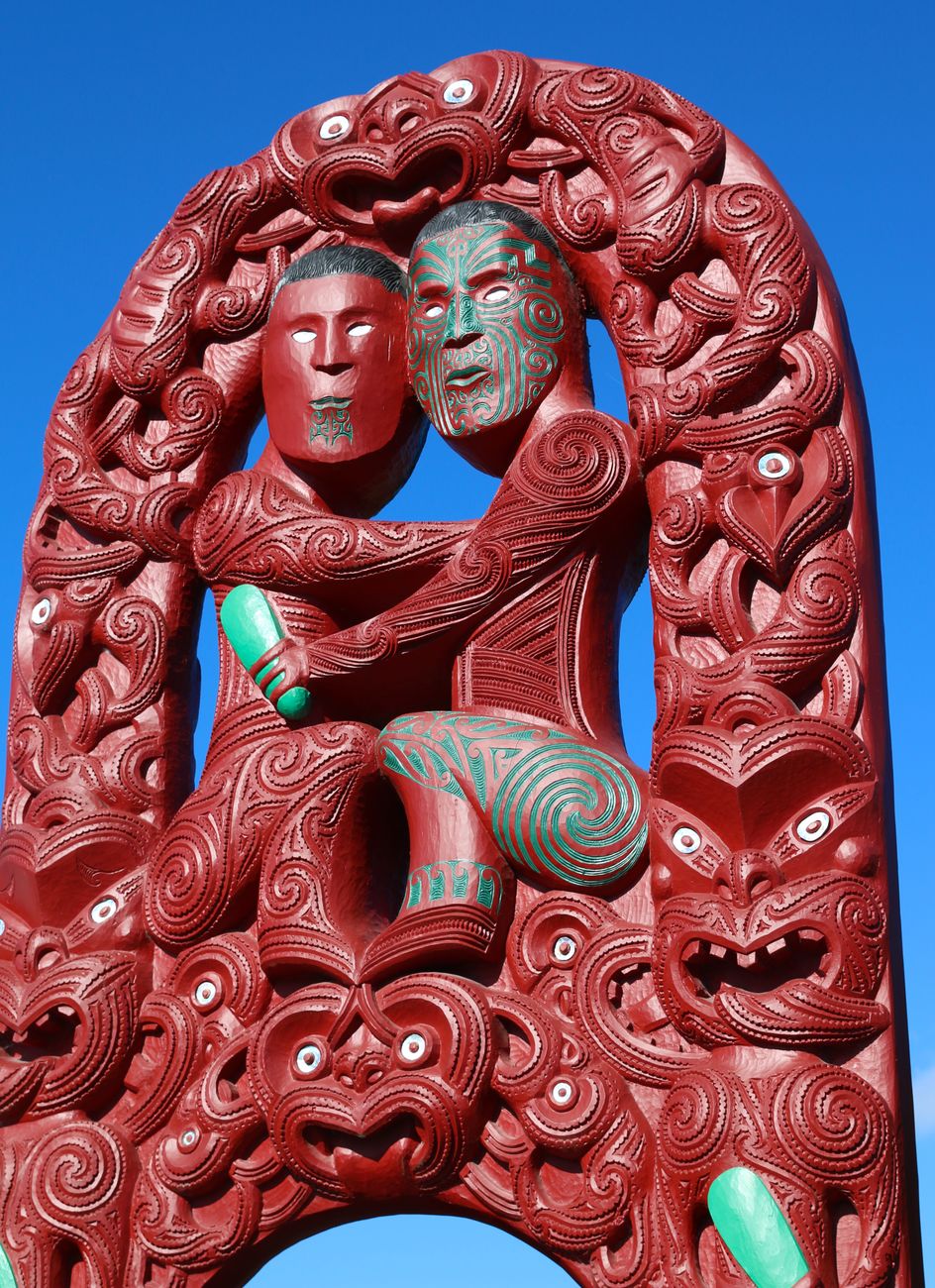
Travelling through Aotearoa New Zealand offers a unique opportunity to engage with Māori culture—the indigenous culture that has shaped these islands for over 800 years. By understanding basic tikanga (customs and protocols), visitors can ensure their journey is respectful and enriching.
1. Understanding Sacred Sites (Tapu)
In Māori worldview, certain mountains, lakes, springs, and burial grounds possess tapu (sacred status). For instance, climbing to the summit of Mount Taranaki or touching sacred geothermal features in Rotorua is culturally inappropriate. Always respect signposted warnings and keep to designated paths.
2. Visiting a Marae (Pōwhiri Etiquette)
A Marae is the communal gathering place of Māori iwi (tribes) and hapū (sub-tribes). Entering a Marae typically requires a formal welcome ceremony known as a pōwhiri.
- Remove your shoes before entering the wharenui (ancestral meeting house).
- Do not take food or drinks into the wharenui.
- Ask permission before photographing or recording cultural elders.
- Accept the hongi (pressing of noses and foreheads) when offered during greeting lines.
3. Key Te Reo Māori Words Every Traveler Should Know
Using basic Te Reo Māori greetings shows genuine respect:
- Kia Ora: Hello, welcome, or thank you.
- Manaakitanga: Hospitality, kindness, and showing respect to guests.
- Kaitiakitanga: Guardianship and stewardship of the natural environment.
- Haere Mai: Welcome / Come here.
Want Authentic Cultural Tour Recommendations?
We connect travelers with accredited indigenous-owned tourism operators across both islands.